The Master’s in Interaction Design aims to shape technological innovations from a multidisciplinary perspective. With the goal of training students to creatively innovate and conduct research on new forms of interaction between people and technology, the program offers a two-year curriculum focused on intensive preparation for the future of the digital and creative industries.
The curriculum combines theoretical training and hands-on practice in the design and research of interactive technologies, based on three key pillars of interaction design:
Computational and Product Engineering: the technical and development aspects of interactive products are addressed.
Arts and Humanities: the creative and aesthetic dimensions of interaction design are explored.
Social Sciences: the psychological, social, and cultural aspects of the interaction between people and technology are studied.
Through this master’s program, students will be able to design both digital and physical interfaces for interactive products and experiences. Master the future of technology with the Master’s in Interaction Design.
You will be able to take on professional roles such as interaction designer, researcher, and UX/UI designer.
The Master’s in Interaction Design trains professionals and researchers with the ability to:
Position their practice within a solid contextual, theoretical, and methodological framework.
Use imagination as a key tool in the creative process.
Develop skills for research, conceptualization, development, and evaluation of new interactive systems.
Address real, contemporary, and future societal needs through design.
Additionally, graduates will acquire:
Critical and reflective thinking skills.
Abilities to work autonomously and collaboratively.
A strong commitment to environmental respect and professional ethics, essential values in artistic and creative disciplines.
The master’s program also prepares students to understand the workings of the technological innovation sector, both in the business and academic realms, and equips them with leadership skills in research and innovation processes.
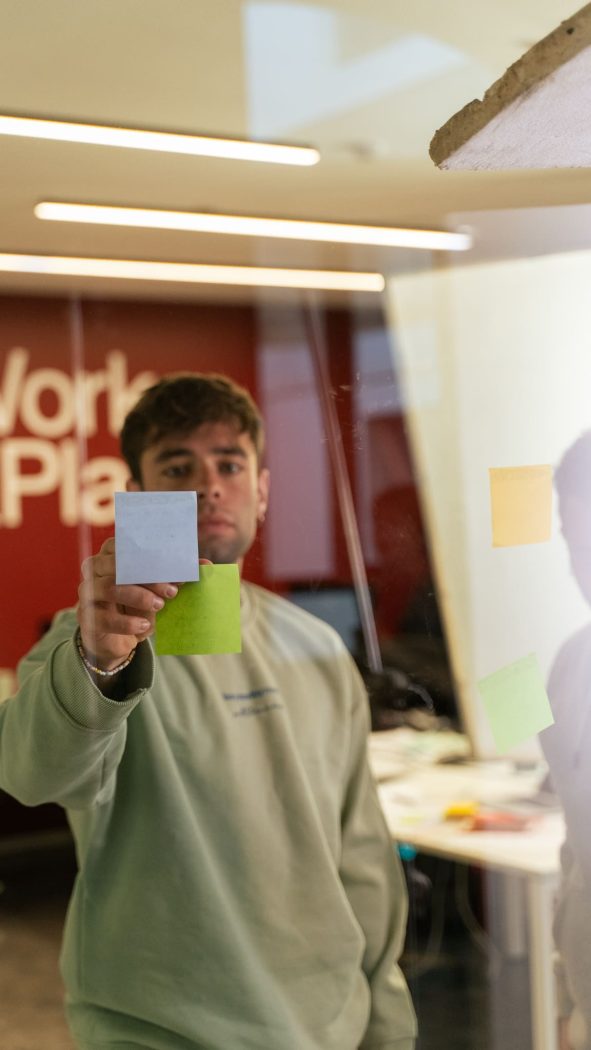
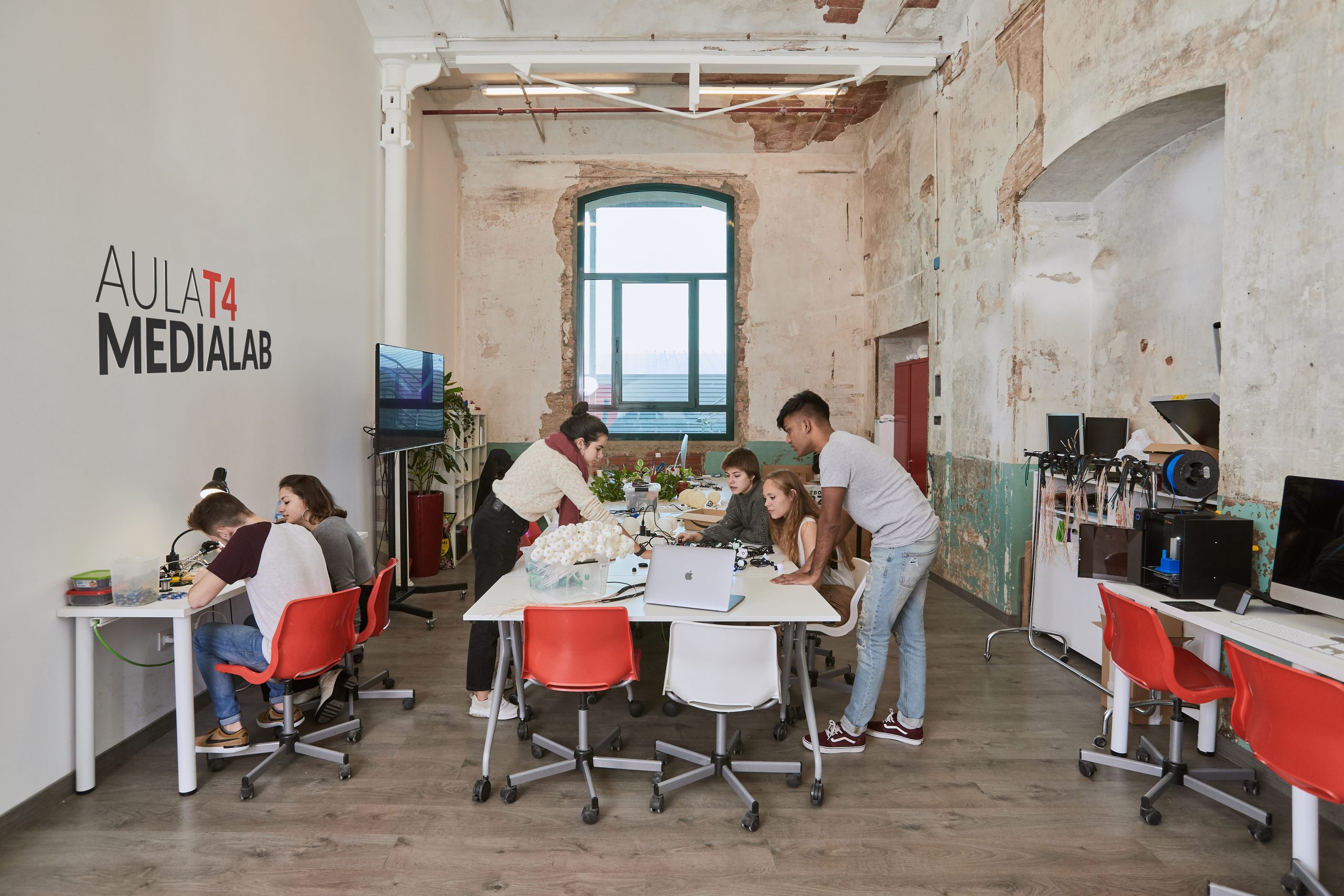
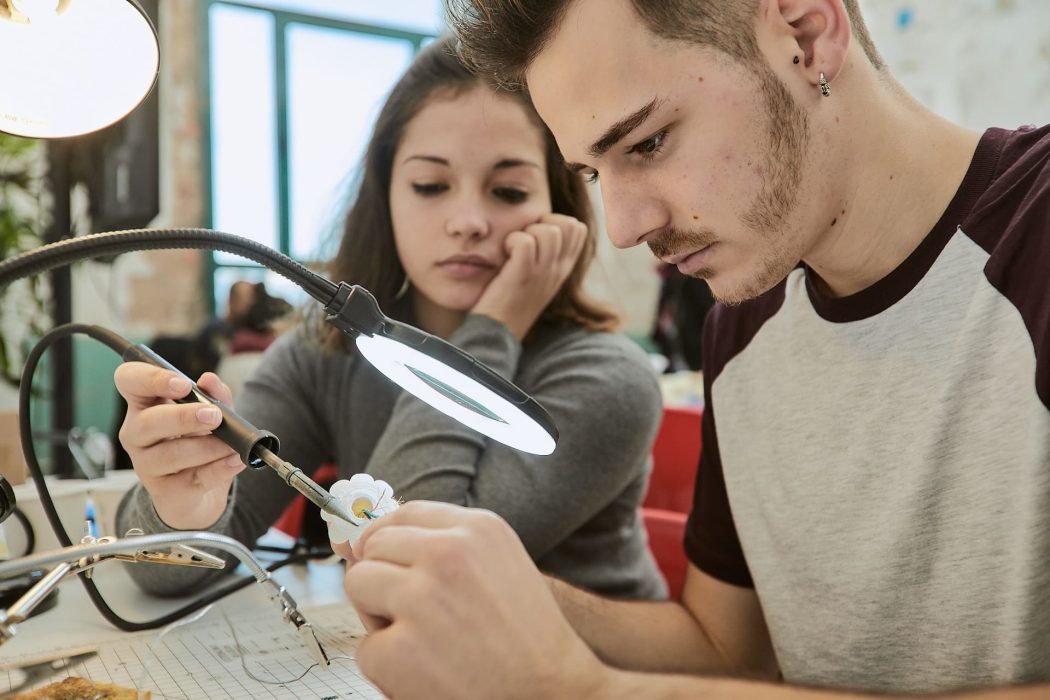
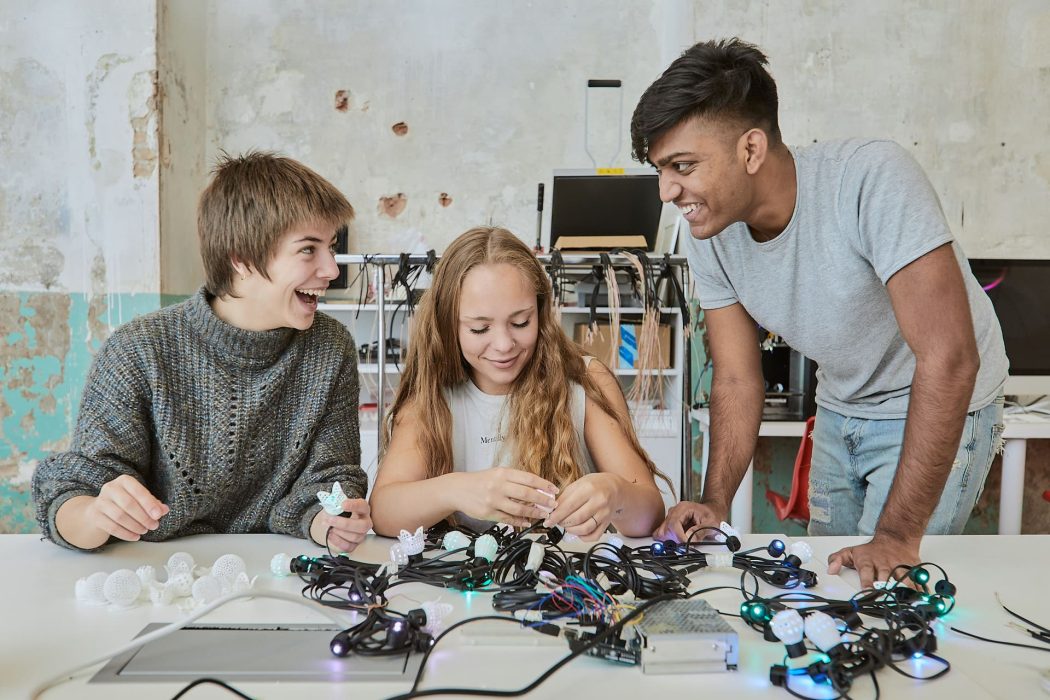
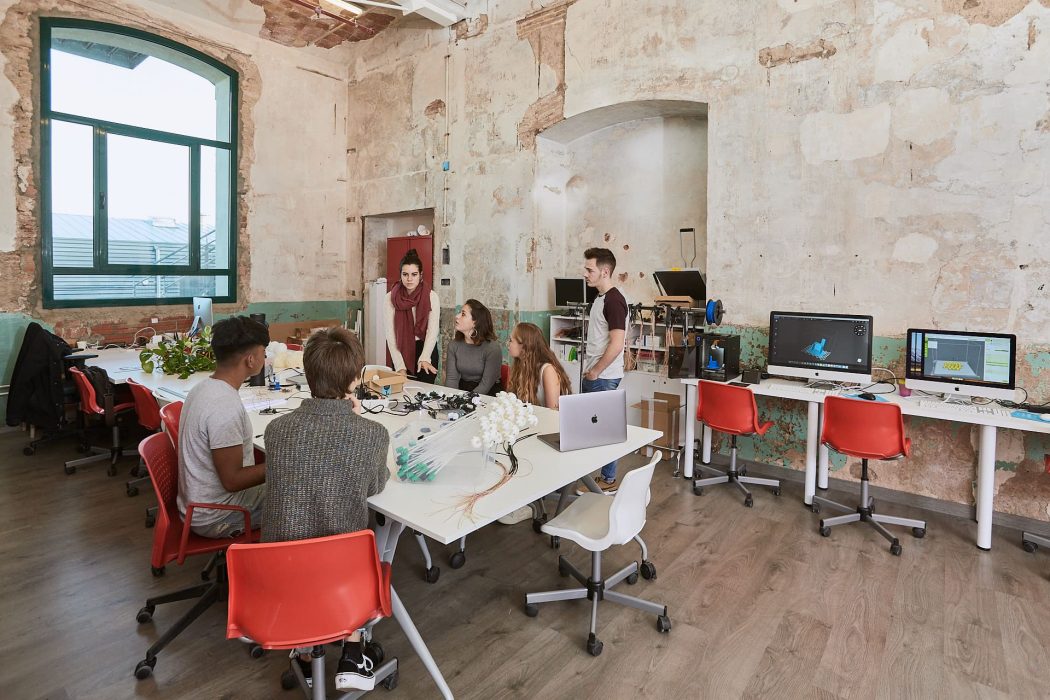
The Master in Interaction Design is built upon an exceptional teaching body, whose combination of academic experience, leadership in research, and professional practice guarantees high-level training.
Our team is composed of PhD professors specialized in the main lines of research in the field of Human-Computer Interaction (HCI), service design, and creative technology. All of them are active and recognized figures in international academic communities (such as CHI, DIS, and CHI Play).
Vision and Method
The Master’s faculty not only transmits knowledge but also acts as mentors. They provide a crucial dual perspective:
Cutting-Edge Research: They guide students through the most innovative methodologies, linking the program directly with the work developed at the Playful Living Lab. This allows students to participate in basic and applied research projects from the very beginning.
Professional Connection: The professors are closely linked to the design and technology industry, ensuring that the curriculum is aligned with the current and future demands of the job market.
This approach ensures that our students not only learn theory but also develop the practical skills and critical mindset necessary to become the interaction leaders of tomorrow.
Discover below the profiles and trajectories of the experts who will accompany you on this learning journey.
European Connection and Avant-garde in Interactive Media.
Adelina-Laura Bulibaşa brings a unique international and transdisciplinary dimension to the master’s programme. Holding a PhD in New Media Arts, her career stands out for an intense research activity that has led her to undertake numerous international exchanges with some of the most advanced interactive design research groups in Europe.
This network of global contacts, together with her previous experience in interactive multimedia, allows her to bring into the classroom the most innovative methodologies currently being applied across the continent. Adelina-Laura leads core courses such as Interaction Design Fundamentals and the Design Studio, where her expert perspective helps students integrate theory and practice in a fluid and meaningful way.
Her profile is that of a globally connected scholar who masters both the artistic and technological dimensions of the field, making her an ideal mentor for students seeking a fresh, critical, and cosmopolitan vision of the discipline.
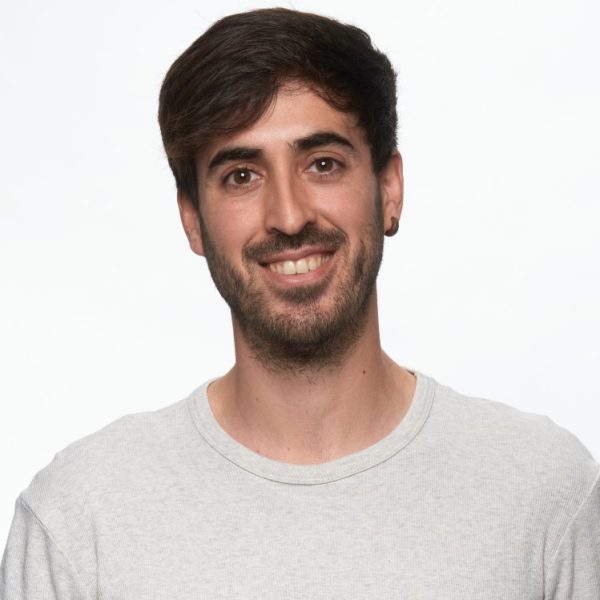
Dr. Ferran Altarriba Bertran is not only the Director of the Master’s in Interaction Design, but also an internationally recognized researcher in the field of Human–Computer Interaction (HCI).
Impact Profile on Google Scholar
- Total Citations: His work has received 1,102 citations.
- h-index: He has an h-index of 18, indicating a consolidated research trajectory with a consistent volume of high-impact publications.
- i10-index: He holds an i10-index of 35, meaning that 35 of his publications have been cited at least 10 times.
- Publications: He has authored a total of 81 publications, including 13 journal articles and 32 full papers in top-tier conferences.
Areas of Expertise and Leadership
His research focuses on the intersection of design, technology, and human experience:
- Specialization: He is an expert in playful technology, participatory innovation, design methods, and Human-Food Interaction.
- Playful Living Lab: He is the director of ERAM’s Playful Living Lab, where he coordinates an active group of researchers who publish annually in some of the most prestigious international venues.
- Prestigious Roles: He serves on the editorial board of the International Journal of Food Design and has been Associate Chair at major international conferences such as CHI and CHI PLAY. He has also reviewed more than 150 academic papers.
Funding and Recognition
His capacity to attract research funding and the recognition of his scientific contributions are remarkable:
- Major Research Projects: He has participated as a senior researcher in the “UNITE” project on forest–human interaction, funded with €3.2 million, and has been co–principal investigator in projects funded by Google Research.
- Accreditation and Awards: He is an AQU-accredited PhD researcher (Agency for the Quality of the University System of Catalonia), with recognized research periods since 2017. He has also received distinctions such as an Honorable Mention at the CHI Conference.
In summary, Ferran Altarriba brings to the master’s programme a cutting-edge perspective and a direct connection with world-class research, ensuring that the programme’s content remains aligned with the latest innovations in the field.

Master of Prototyping and Architect of Interactive Experiences.
If interaction design is the bridge between ideas and reality, Jordi Márquez is the one who ensures that this bridge is both robust and innovative. With more than 20 years of experience in the field, Jordi combines a solid international academic background –Master of Arts in Design from the University of Lincoln (UK)– with an enduring passion for creative technology.
An expert in the design of interactive applications and high-complexity prototypes, he is responsible for translating the most ambitious concepts into functional physical and digital systems. As a founding member and researcher of the Playful Living Lab, his current work focuses on using design to promote sustainable and joyful lifestyles, regularly publishing in some of the most prestigious international venues such as CHI and DIS.
Having Jordi as a mentor means learning from someone who truly masters the tools of the future, from UX Management to cutting-edge technical implementation, ensuring that your projects achieve the rigor and quality demanded by the global industry.

A Leading Figure in Data Visualization and Globally Impactful Interactive Installations.
Having Joan Planas as a lecturer means gaining direct access to the cutting edge of data visualization. As co-owner and founder of Domestic Data Streamers, Joan leads one of the world’s most innovative studios dedicated to capturing and translating data through interactive installations. His career represents a perfect combination of academic rigor — with a Master’s degree in Cognitive Systems and Interactive Media from Universitat Pompeu Fabra (UPF) — and undeniable professional success.
His achievements include the prestigious Ciutat de Barcelona Award (2014) in the design category and two Laus Awards for interactive installations.
With more than 12 years of teaching experience, Joan brings into the classroom a deep understanding of the real professional sector, the same expertise that has led him to exhibit his work in leading venues such as the CCCB and DHUB in Barcelona, as well as in global cities such as London, Berlin, and Dubai.
As an expert in Creative Technology and Tangible Computing, Joan will teach you how to master technology to create visual and physical narratives that emotionally connect with audiences.
In addition to our in-house faculty group, the MID features a range of guest lecturers whose main affiliations are with other institutions, local and international.
The involvement of these externals is diverse, ranging from delivering a small-scale provocative lecture to serving as primary instructors in an industry-oriented elective course. By bringing in external voices from a breadth of domains (spanning across the industry, the public & private sector, as well as academia), we provide students with a plurality of perspectives that help them engage with interaction design in its most genuine form: as a cross-disciplinary, polyphonic profession where a multiplicity of perspectives, expertises, and ways of working coexist and cooperate.
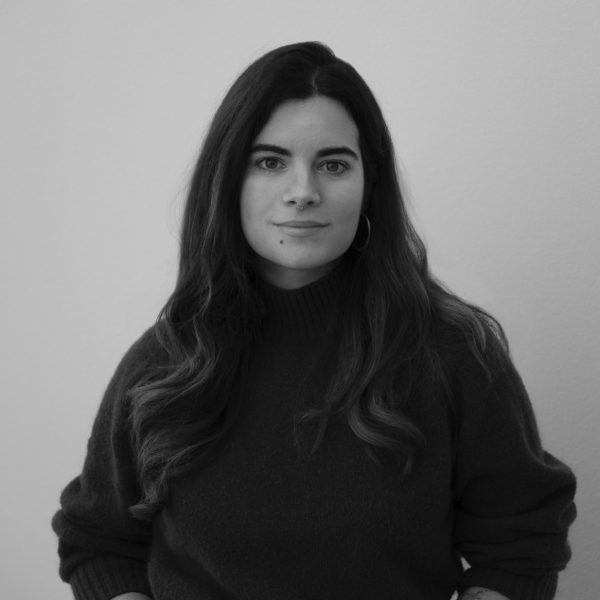
Experience Designer at Tellart.
Laura is an experience designer at Tellart, where she integrates filmmaking, interaction design, and semiotic theory to create immersive, multi-sensory experiences across platforms. Guided by a strong belief in storytelling as a catalyst for emotional engagement and critical reflection, she combines in-depth research with narrative and technical expertise.
Her trajectory spans strategic narrative development at McKinsey Design, playful smart-city research at UC Santa Cruz, and explorations of colour and light at Meaningful. Laura holds an MFA in Interaction Design from Umeå Institute of Design and a BA (cum laude) in Audiovisual and Multimedia Production from Universitat de les Arts ERAM. Alongside her freelance work as a filmmaker, photographer, and front-end developer, she teaches audiovisual theory and photography.
Her practice continuously explores new ways of designing interactions that resonate deeply and create lasting impact.
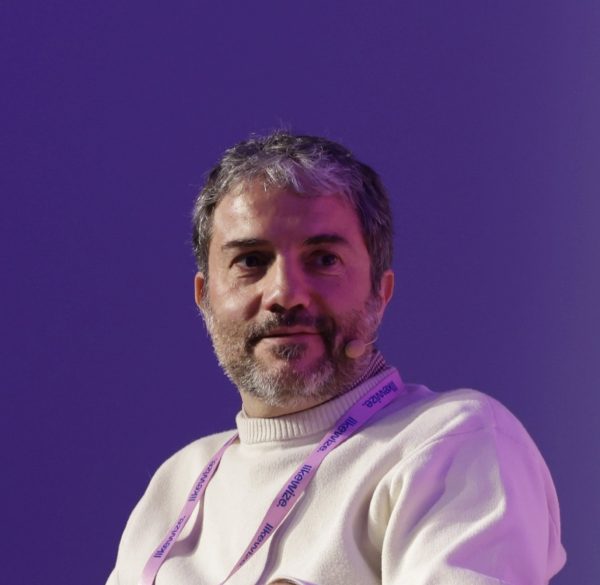
Partner at Cookie Box and Program Director at ENTI-UB, IEBS, and EUNEIZ.
Oscar García Pañella is a leading expert in gamification, serious games, and interactive media, with a PhD in Electronic Engineering and postdoctoral research in Entertainment Technology.
He combines academic leadership and industry practice as director of the Serious Games Lab and academic programs in game design and transmedia storytelling. His work focuses on designing applied games, gamification strategies, and interactive experiences that support learning, engagement, and behavioral change.
Oscar is an active contributor to European research projects and collaborates with institutions and companies across education, innovation, and digital media. In parallel, he works as a senior gamification consultant at Cookie Box and has been recognized as one of Forbes’ Top 100 most creative people in business in Spain, as well as a TEDx speaker.
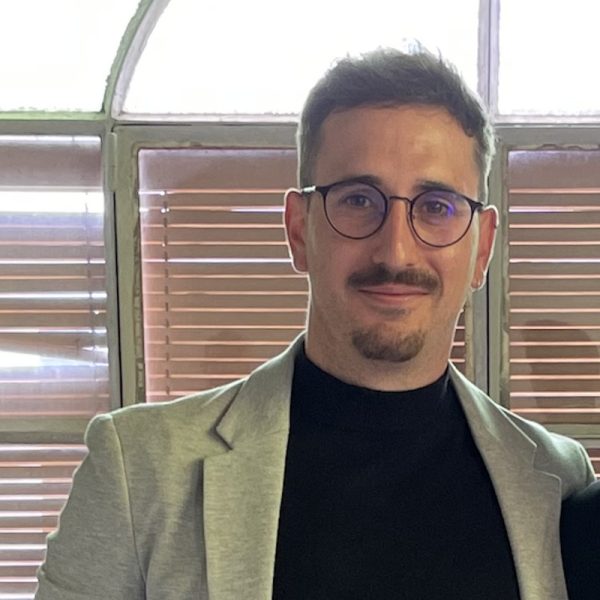
UX Research Lead at Eunoia Digital.
Adrià Altarriba Bertran is an interaction engineer and designer specializing in the creation of engaging, user-centered digital experiences.
He combines expertise in design, technology, and strategy to develop innovative solutions across areas such as service design, UX, and interactive systems. Currently affiliated with Eunoia Digital as a UX Research Lead, his work focuses on applying design methodologies to real-world challenges, often integrating playful and participatory approaches.
Adrià has collaborated with multidisciplinary teams and organizations such as Bershka, Naturgy, or Banc Sabadell (among others) to translate complex ideas into meaningful, usable products and services. As a guest lecturer, he brings a hands-on, industry-informed perspective on UX design and research, connecting academic learning with contemporary professional practice in the UX industry.
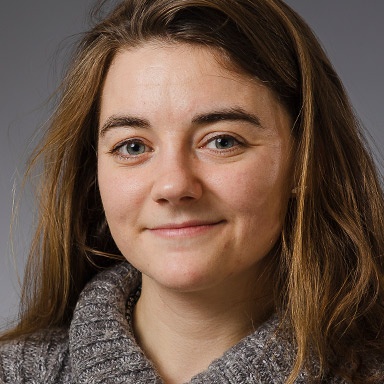
PhD candidate at Grenoble Alpes University
Daphné Hamilton-Jones is a multidisciplinary designer and researcher, currently enrolled as a PhD candidate in the Cresson laboratory at the Grenoble School of Architecture (ENSAG), France.
Her work makes use of design methods to engage with complex questions relating to climate urgency and food security, and their entanglements with community engagement through the rise of food third spaces. Educated across Britain, Sweden and France, Daphné currently works across Europe and holds particular ties to the Scandinavian design research ecosystem, where she engages with more than human design and affective theory. She holds a particular expertise regarding collaborative research methods and sketching.
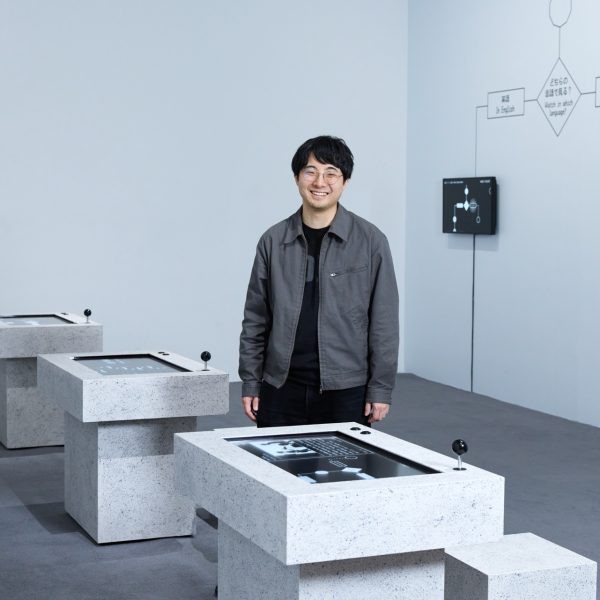
Game designer and artist.
Tomo Kihara is an artist and game designer who explores play as a form of shared inquiry. Through experimental games and playable installations in public spaces, he creates situations where people can collectively explore how emerging technologies such as AI are transforming our societies and ways of thinking. His work has been presented internationally at venues including the Victoria & Albert Museum, the Mori Art Museum, and the Asian Art Museum, and has also received awards from the European Commission’s S+T+ARTS Prize and the Mozilla Creative Media Awards.

Assistant professor in Northern Arizona University
Jared Duval is an Assistant professor and Flinn Faculty Fellow at Northern Arizona University’s School of Informatics, Computing, and Cyber Systems, where he directs the Playful Health Technology Lab.
He has a Research through Design practice at the intersection of Human Computer Interaction, Games/Play, and Health. He is the author of more than 20 peer-reviewed publications and is the creator of 3 Serious Games for Health. Jared received his Ph.D. from the University of California Santa Cruz, where he was a part of the ASSIST Lab and SET Lab.
His work has received a Best Paper Honorable Mention at ACM CHI, he is the recipient of multiple National Instituite of Health Pilot Grants, an NIH LRP award, the Jack Baskin and Peggy Downes-Baskin Fellowship, a Smile Train Research Grant, an IdeaHub Judges Award, a Blackstone LaunchPad Fellowship, and a two-time recipient of CITIRS Tech for Social Good Award. Jared has been invited to keynote at the Kraw Lecture Series, is an ARCS Scholar, Vice President of the Games for Health Early Career Committee, and editor of the SIGACCESS newsletter on Assistive Technology.
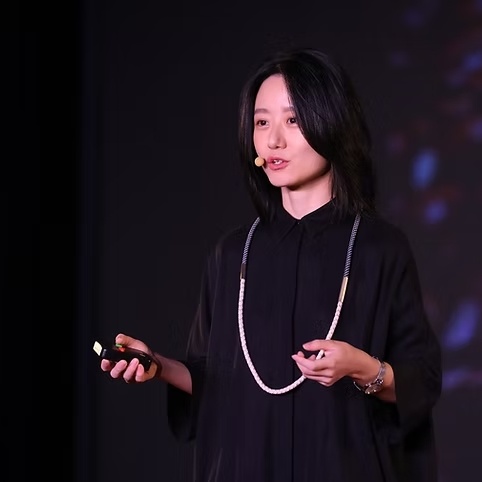
Lecturer at University of Bristol.
Jialin Deng is a Human-Computer Interaction (HCI) researcher, designer, and art practitioner. Her research explores radical future interfaces that combine edible and computational materials, blending art, science, and gastrophysics to reimagine interaction design, cross-sensory computing, and multimodal assistive technologies.
With a background in the creative industries, Jialin’s previous practices spanned food design, media arts and interactive technologies. She holds a PhD in HCI from Monash University and a Master’s degree from the University of the Arts London. Her work has been exhibited at the London Design Festival and Science Gallery Melbourne, and featured in media outlets such as FRAME, Forbes, Dezeen, and ABC Radio National. She has been invited to speak at events including the London Design Festival (2015), TEDxGuangzhou (2019), the Dagstuhl Seminar «Eat-IT» in Germany (2022), and SIGCHI Melbourne (2022 & 2024). Jialin’s also served as a guest editor for special issues for the International Journal of Gastronomy and Food Science, and the International Journal of Food Design.
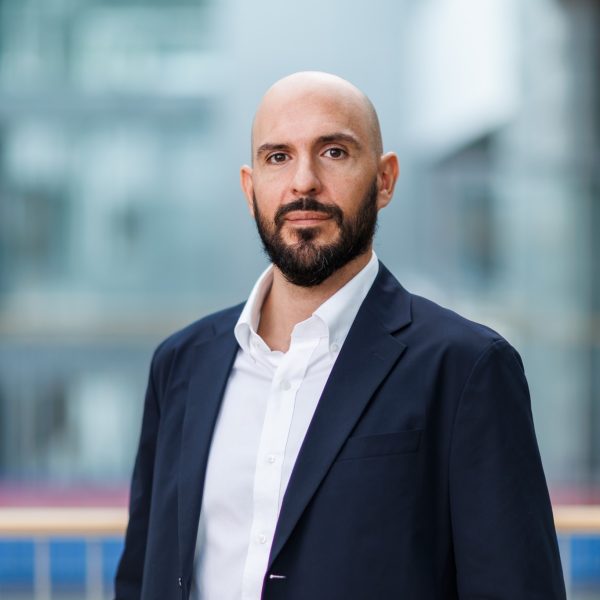
Full professor in the Department of Marketing at BI Norwegian Business School.
Carlos Velasco is a professor at BI Norwegian Business School (Norway), where he co-founded the Centre for Multisensory Marketing. Carlos received his D.Phil. in Experimental Psychology from Oxford University, after which he worked in a number of postdoctoral and consulting projects in Europe, Asia, and North and South America.
His work is situated at the intersection between Psychology, Marketing, and Human–Computer Interaction, and focuses on understanding, and capitalizing on, our multisensory experiences and their guiding principles. He has written several books, including «Multisensory experiences: Where the senses meet technology» (Oxford University Press), «Digital dining: New innovations in food and technology» (Springer Nature), the edited the collection «Multisensory packaging: Designing new product experiences» (Palgrave Macmillan), and authored the independently published non-science NFT book “Your reality is a construction”. Carlos has worked with a number of companies from around the world on topics such as multisensory experiences, food and drink, branding, and consumer research.

PhD candidate at University of Lisbon
Carlos Pastor Garcia is an architect from the University of Alicante, postgraduate in Human-Animal Studies from the Institute of Social Sciences of Lisbon and PhD candidate in Digital Media at the Interactive Technologies Institute of Lisbon.
He is founder of la cuarta piel, an artistic collective that translates territorial metabolisms through material experiments and public research.
The Master in Interaction Design has partnerships with a broad range of organizations with whom we share a mission: leveraging the potential of technology to support the flourishing of individuals, communities, societies, ecosystems, and the planet at large. That includes start-ups and enterprises in the industry sector, as well as public institutions, societal organizations, and NGOs, among others. MID students will have a chance to engage those partners, learn about their real-world practices, and potentially join forces with them – through specialized lectures, joint projects, internships, or collaborative Master’s Thesis research. It is our mission that our students’ work and learning process is tightly connected to real-world concerns.

Plat Institute is a research and innovation lab focused on exploring the future of food through the intersection of creativity, science, and technology. It operates as a multidisciplinary platform that combines research, design, and education to address global challenges in food, health, and sustainability.
The institute develops forward-looking concepts, products, and experiences (often using speculative and design-fiction approaches) to inspire innovation and new business opportunities. Through collaborations with academia, industry, and cultural institutions, it fosters experimentation and learning in areas such as food design, food tech, and augmented gastronomy.

Cookie Box is a Barcelona-based innovation studio specializing in gamification, serious games, and storytelling-driven learning experiences. It designs interactive, game-based solutions that help organizations train decision-making and professional judgment through realistic scenarios and narratives.
The company combines game design, artificial intelligence, and behavioral insights to transform traditional training into engaging, experiential formats that activate people and drive cultural change. Through its multidisciplinary approach, it supports organizations in areas such as education, organizational development, and communication by creating impactful, playful, and evidence-based learning experiences.

Cubus Games is a creative studio that designs high-impact, game-based experiences by combining storytelling, play, and technology. It specializes in narrative-driven video games and interactive solutions that go beyond entertainment, addressing fields such as health, culture, education, tourism, and social impact.
The studio works with institutions and organizations to transform complex content into engaging, immersive experiences that connect with audiences and foster learning and participation. With over a decade of experience, Cubus Games brings a multidisciplinary approach (blending game design, narrative, and digital production) to create meaningful and memorable interactions.
Through its focus on “games with purpose”, the studio explores how play can be used as a powerful tool for communication, engagement, and positive impact.

INTERA Group is a Barcelona-based high-tech company specializing in artificial intelligence, IoT, and semiconductor innovation. It develops advanced embedded AI solutions, chip design technologies, and data-driven systems to improve efficiency, automation, and decision-making across industries.
The company operates across sectors such as Industry 4.0, smart energy, defence and digital health, providing end-to-end solutions from hardware design to software and AI model integration. Its mission is to create innovative solutions from secure management of complex data flows and intuitive hardware to AI-powered monitoring and user-centred tools.
Formed from the merger of NVISION and Sensing & Control, INTERA Group brings together decades of experience in innovation, engineering, and applied research. Through close collaboration with partners and clients, it focuses on transforming innovation processes and enabling the development of cutting-edge, real-world technological applications.
Fill out the form and receive detailed information about:
The curriculum and methodology
Admission requirements and application process
Career opportunities
Available scholarships and financial aid
Key dates and academic calendar
Become part of a creative and multidisciplinary community that designs the future of technology and human interaction.
We’ll answer all your questions!
The University campus of Girona is a center of innovation and academic excellence, offering competitive educational programs and research opportunities in various disciplines. Students find an environment that fosters collaboration and personal development, all while enjoying a city that values diversity and inclusion.
Girona is more than just a geographical location; it is a place where possibilities are endless, and where learning goes beyond the classroom. It is a place where students can grow, be inspired, and prepare for a bright future. Welcome to Girona, the place where learning comes to life.
The Playful Living Lab is a group of designers and researchers exploring playful technologies and experiences. We are driven by the belief that technology can support humans far beyond productivity: it can help us find joy in everyday life, both individually and collectively, while fostering lifestyles that are stimulating, socially meaningful, and ecologically sustainable. Building on this premise, we use situated co-design to imagine grounded technological futures where joy and care are deeply intertwined. Our aspiration is to nurture futures in which the flourishing of individuals, communities, and the planet is rooted in joy.
Our research is published in leading Human-Computer Interaction and Design Research venues such as CHI, DIS, and CHI PLAY, and is also shared through artistic and industry events. The lab brings together designers at every stage of their careers, from senior researchers to undergraduate students and everyone in between, and has a strong educational mission: mentoring the next generation of interaction design researchers. All students interested in ERAM’s design programs are invited to take part.
Given the strong thematic affinity between the Playful Living Lab and the Master’s in Interaction Design, students in the program will find extensive opportunities to collaborate with the lab. Some of these will be integrated into the curriculum through project-based courses such as the Design Research Lab or the Master’s Thesis, where students work within the lab’s physical and intellectual environment. Other opportunities will emerge beyond coursework, as students join ongoing research projects and community initiatives. The lab offers a valuable context for those aspiring to build a research career, develop academic skills, and make a meaningful transition toward PhD studies or other research-oriented paths.