Graduated in Performing Arts from the Escola Universitària de les Arts ERAM – UdG, Guillem Blanch Roldán develops his career in scenography, costume design, and the creation of stage environments. He is currently completing his higher studies in Scenography at the Institut del Teatre in Barcelona, specializing in stage design, costume, and lighting.
His interest in scenography emerged during his studies at ERAM, when he discovered a discipline that unites two of his main passions: performing arts and visual arts. Since then, he has focused his practice on building visual universes where space, light, costume, and dramaturgy interact to create complete theatrical experiences.
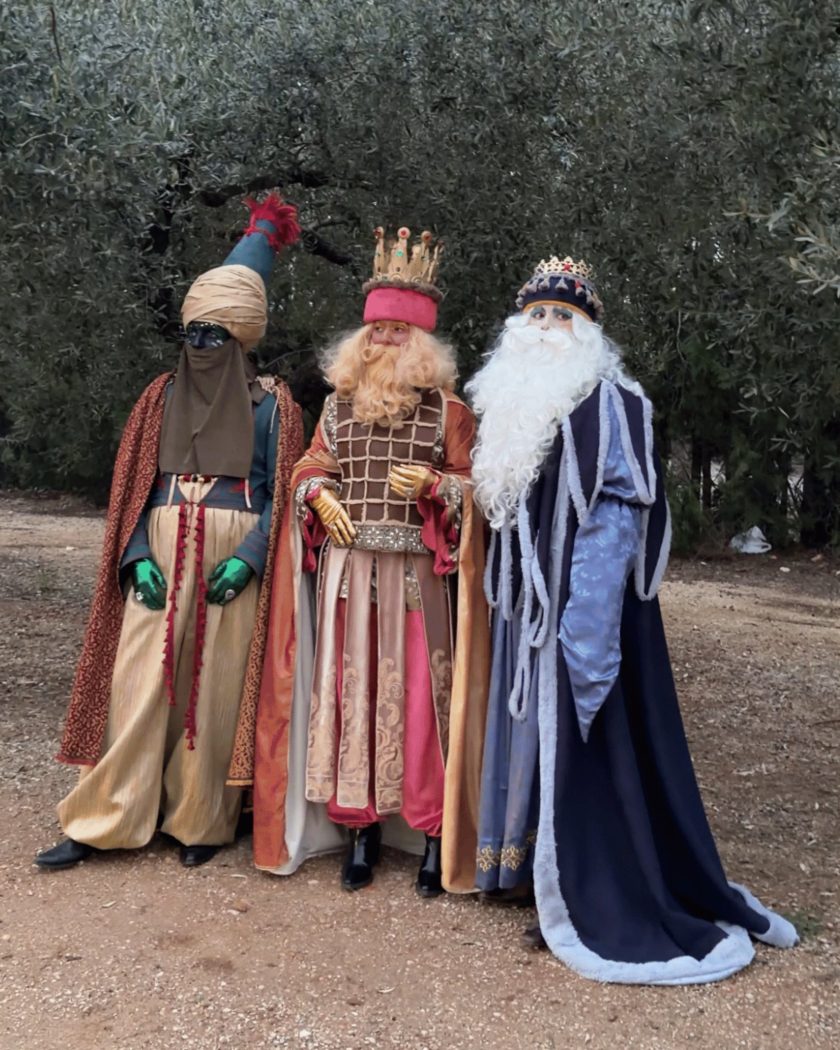
Throughout his career, he has participated in theatre productions, community arts projects, and festivals, developing proposals that combine aesthetic research, conceptual design, and craftsmanship. Among his most notable works is the redesign of the visual universe for the Three Kings Parade in Santa Bàrbara, where he designed the costumes for the Three Kings, the Royal Herald, and their entourage, creating a concept inspired by historical and cultural references from Europe, Asia, and Africa.
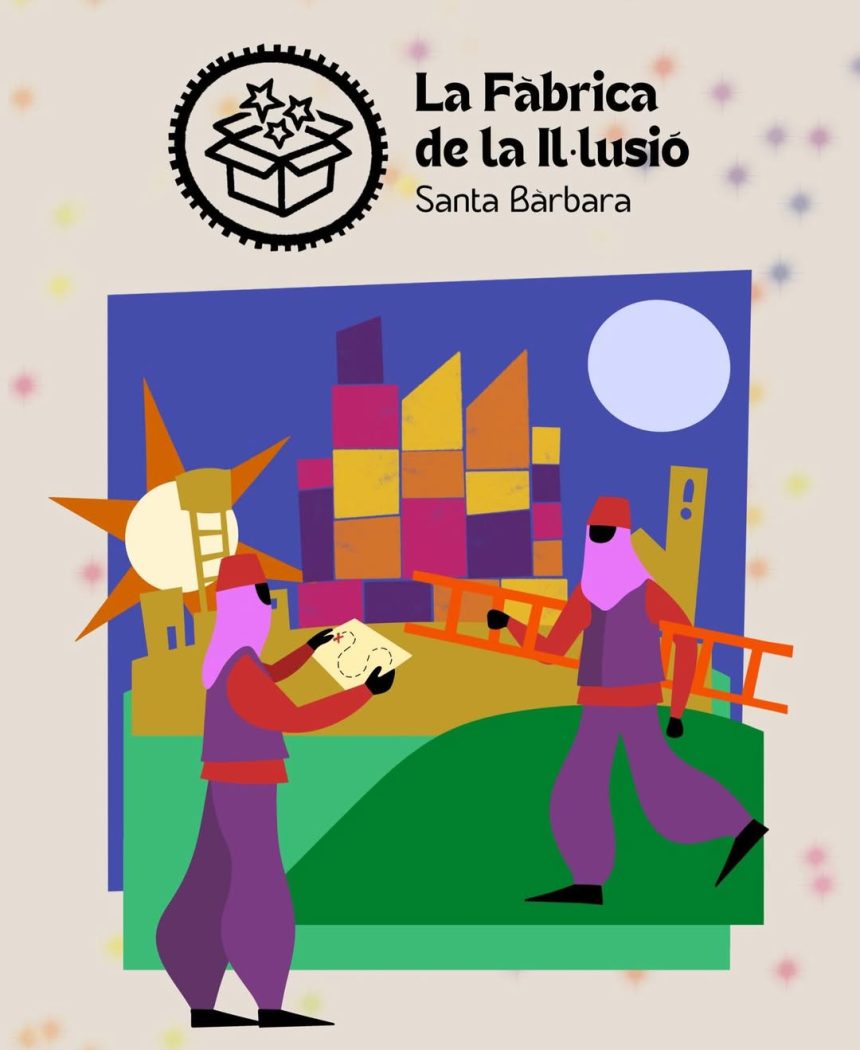
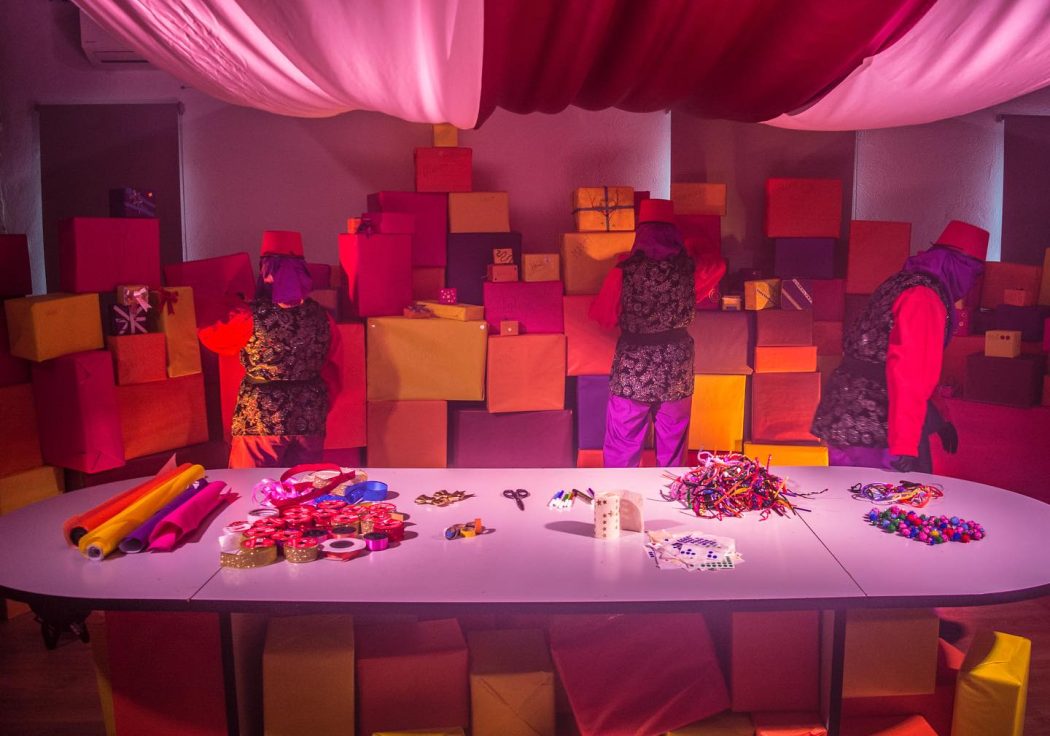
He has also directed and designed La Fàbrica de la Il·lusió, a large-scale stage project promoted by Grup Joventut de Santa Bàrbara, where he took on artistic direction and the full spatial design of the immersive narrative experience.
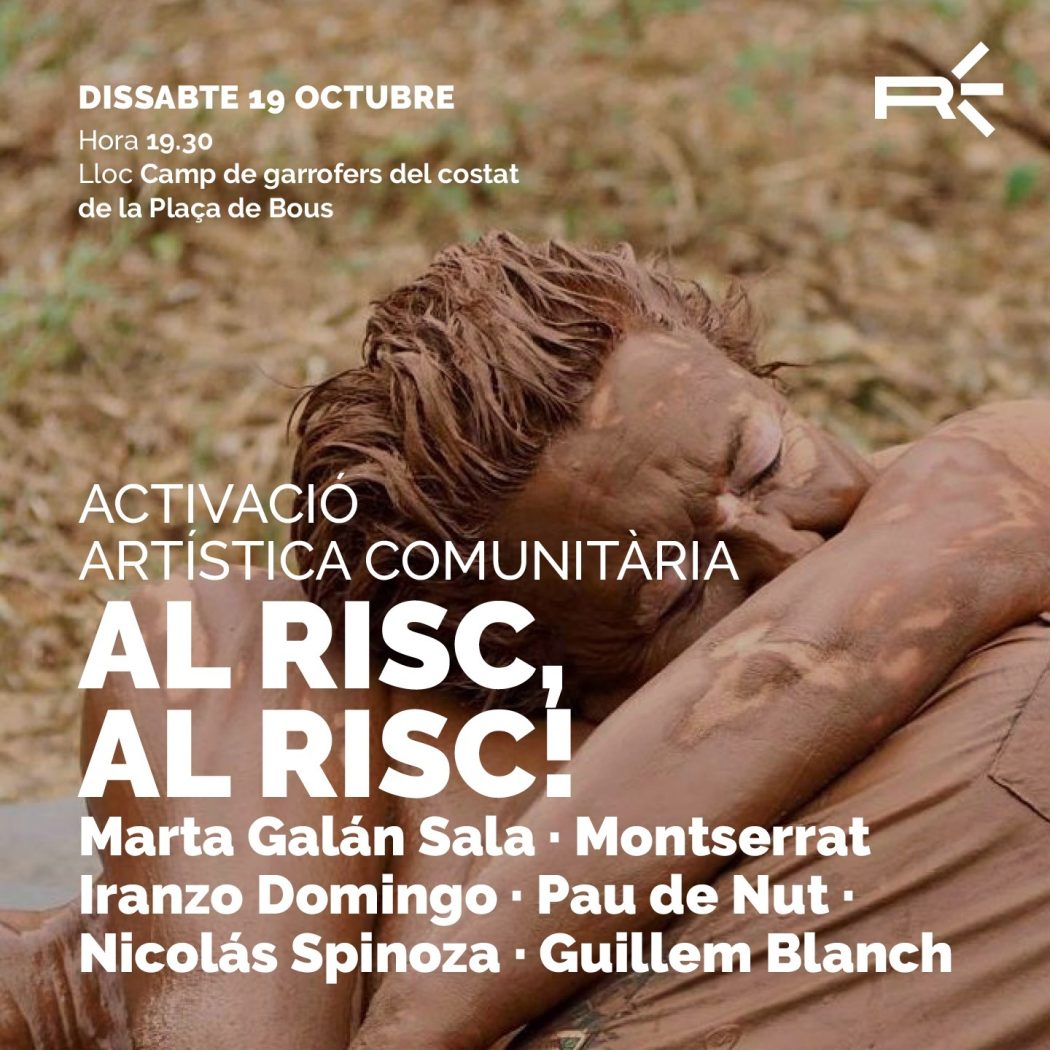
His work also extends into festivals and contemporary creation. He has collaborated with the Rihihiu Festival on lighting, costume, and art direction projects, and has taken part in community-based creations such as Al risc, al risc!, a performative piece developed with elderly participants from Santa Bàrbara.
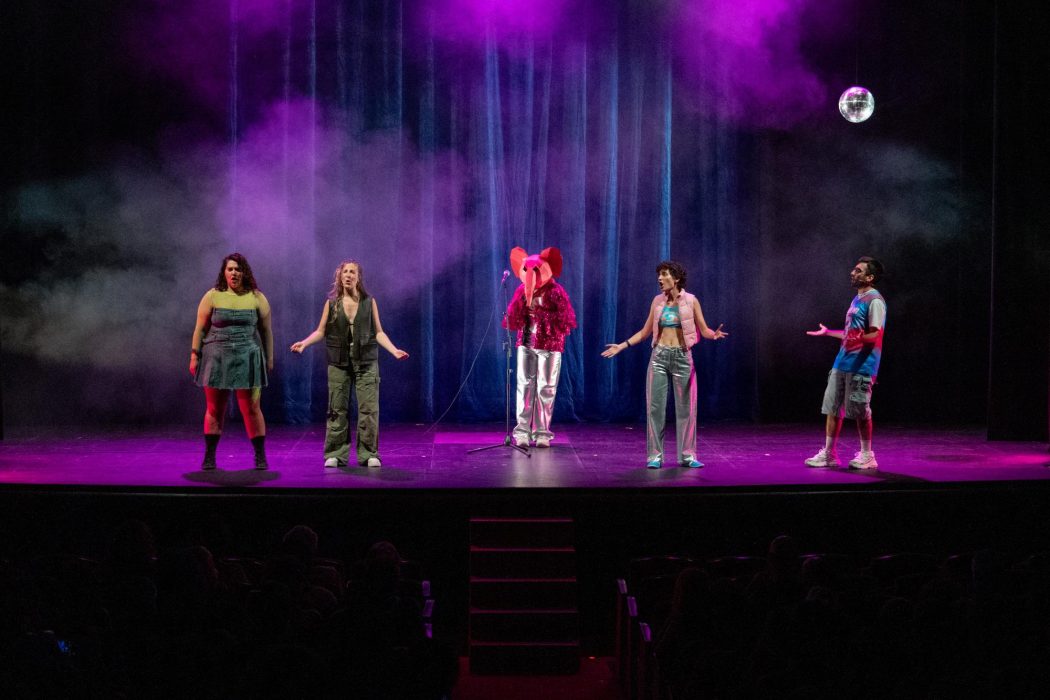
In 2024, together with scenographer Camille Latron, he designed the stage space and costumes for La festa (menys) fora de lloc del Festival Z: Amiga, ubica’t, the opening performance of the Festival Z at the Teatre Municipal de Girona. Alongside this, he develops academic and scenographic research projects exploring the relationship between space, body, lighting, and visual storytelling.
His practice blends design, construction, costume, and lighting through a transversal approach that understands scenography as a tool for creating atmospheres, narratives, and immersive experiences. Interested in theatre as well as cultural events, historical reenactments, theme parks, and experiential formats, he continues expanding his field of work within contemporary visual and performing arts.