Carla Coll is an actress and stage creator who graduated in Performing Arts from the University School of the Arts ERAM – University of Girona (UdG). During her training, she expanded her studies in Acting at the Pontificia Universidad Católica de Chile and at the Laura Jou actors’ studio in Barcelona, consolidating a professional trajectory focused on contemporary acting and stage research.
Her artistic practice is closely linked to contemporary theatre and collective creation. She is a member of Col·lectiu Desasosiego, an emerging company founded by alumni Camille Latron, Àlex Solsona, Carla Coll and Pau Caselles, originating from the Performing Arts Degree at ERAM. The collective is characterized by a strong commitment to immersive theatre and the creation of stage experiences that blur the boundaries between audience and performers, integrating theatre, live music and participatory staging.
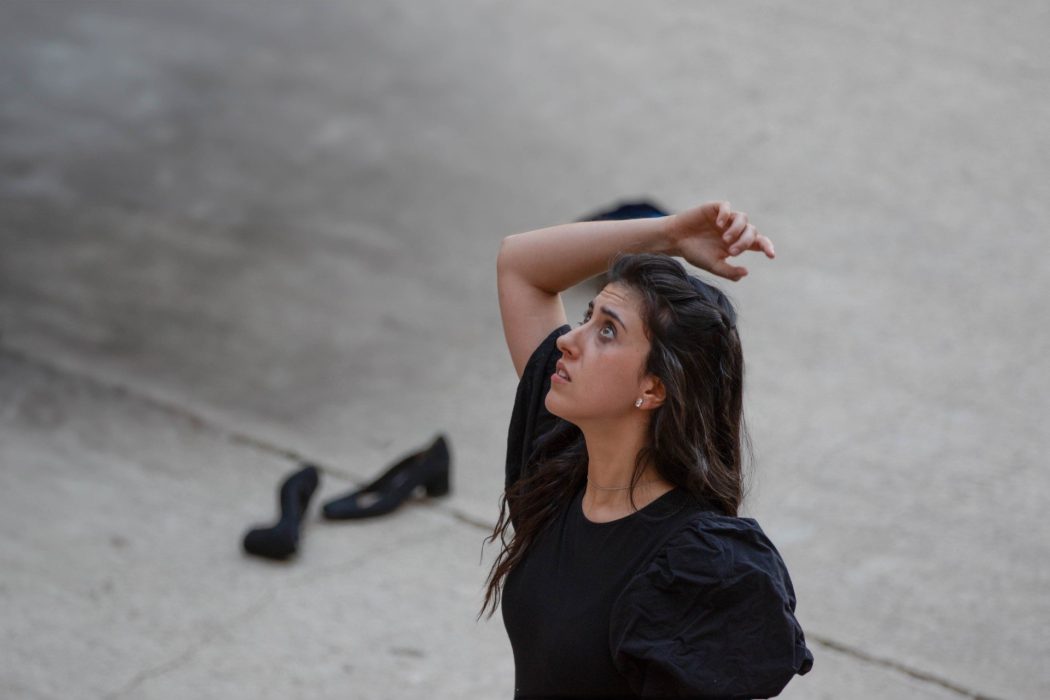
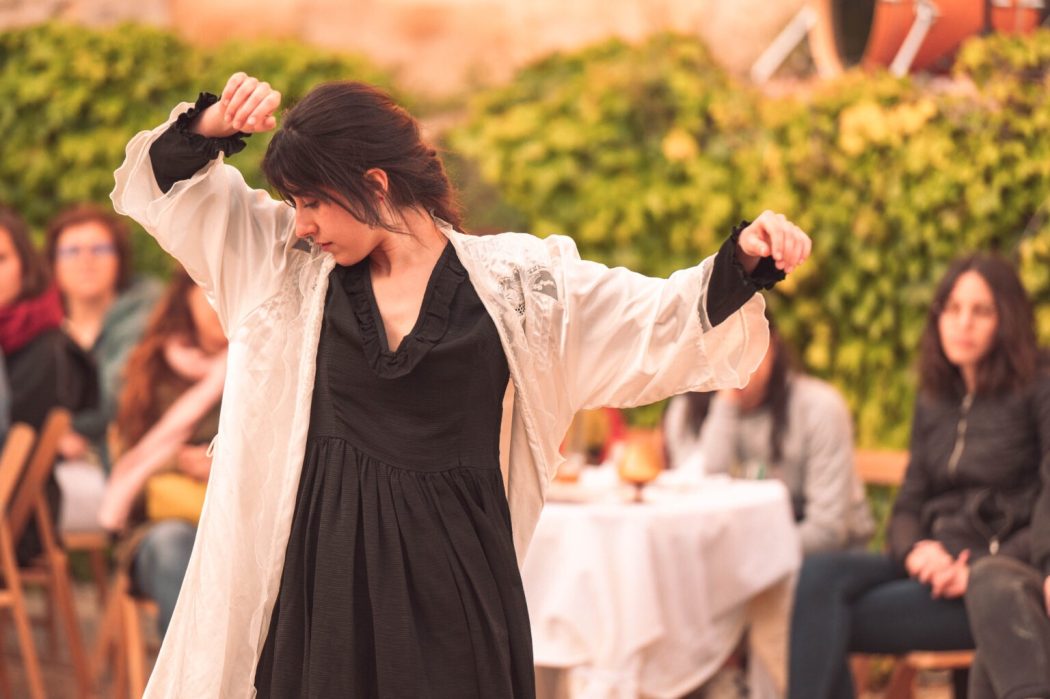
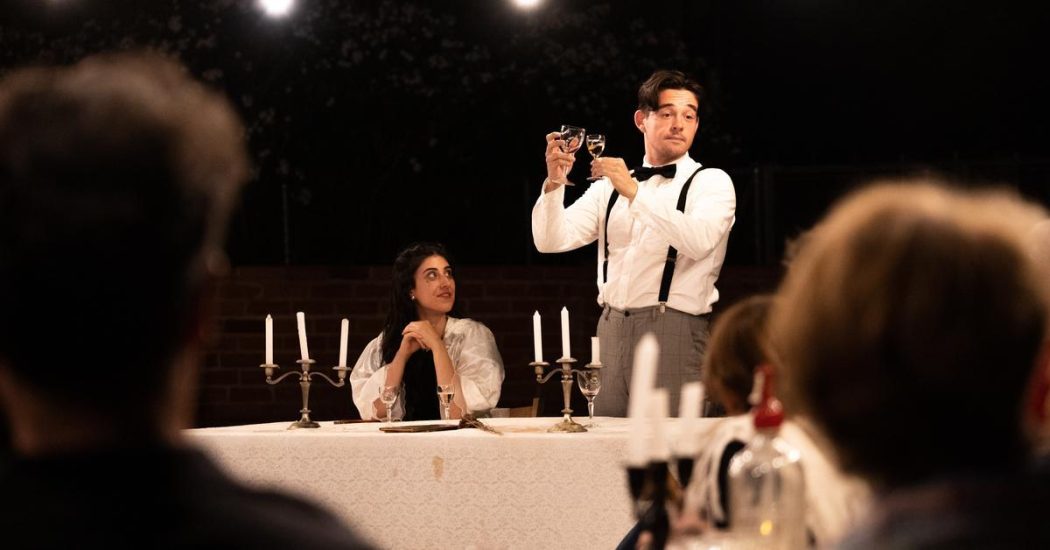
As a performer, she has taken part in productions such as Un segundo bajo la arena and Breu visita a la Gola del Llop, both created by Col·lectiu Desasosiego.
Un segundo bajo la arena, the company’s first production and an immersive reinterpretation of Bodas de sangre by Federico García Lorca — a project developed during her time at ERAM — was awarded the Moritz Award at FiraTàrrega for Best Street Premiere 2022 and the Novaveu Award at the 2022 Critics’ Awards. Later, Breu visita a la Gola del Llop, premiered at Theatre El Maldà in February 2025, further consolidates the collective’s artistic line, deepening a stage proposal that questions theatrical conventions and proposes an experiential and intimate form of theatre.
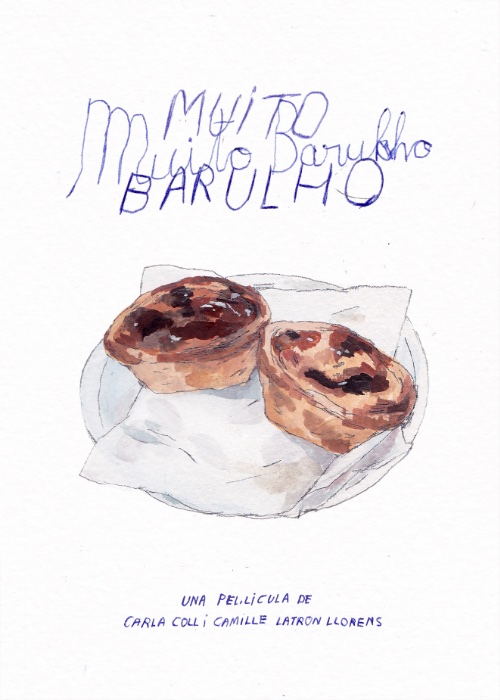
At the same time, Carla Coll has carried out directing work in productions such as BISILA, by Amada Bokesa and Arnau Aiguabella, and has also worked as assistant director with Adrià Aubert and Llàtzer Garcia. In the audiovisual field, she directed the feature-length documentary Muito barulho. This combination of acting and directing strengthens a versatile professional profile, committed to exploring new stage languages and to contemporary creation.